The Ultimate Guide to Time Blocking: Boost Productivity and Reduce Stress
What Time Blocking Can Do for You
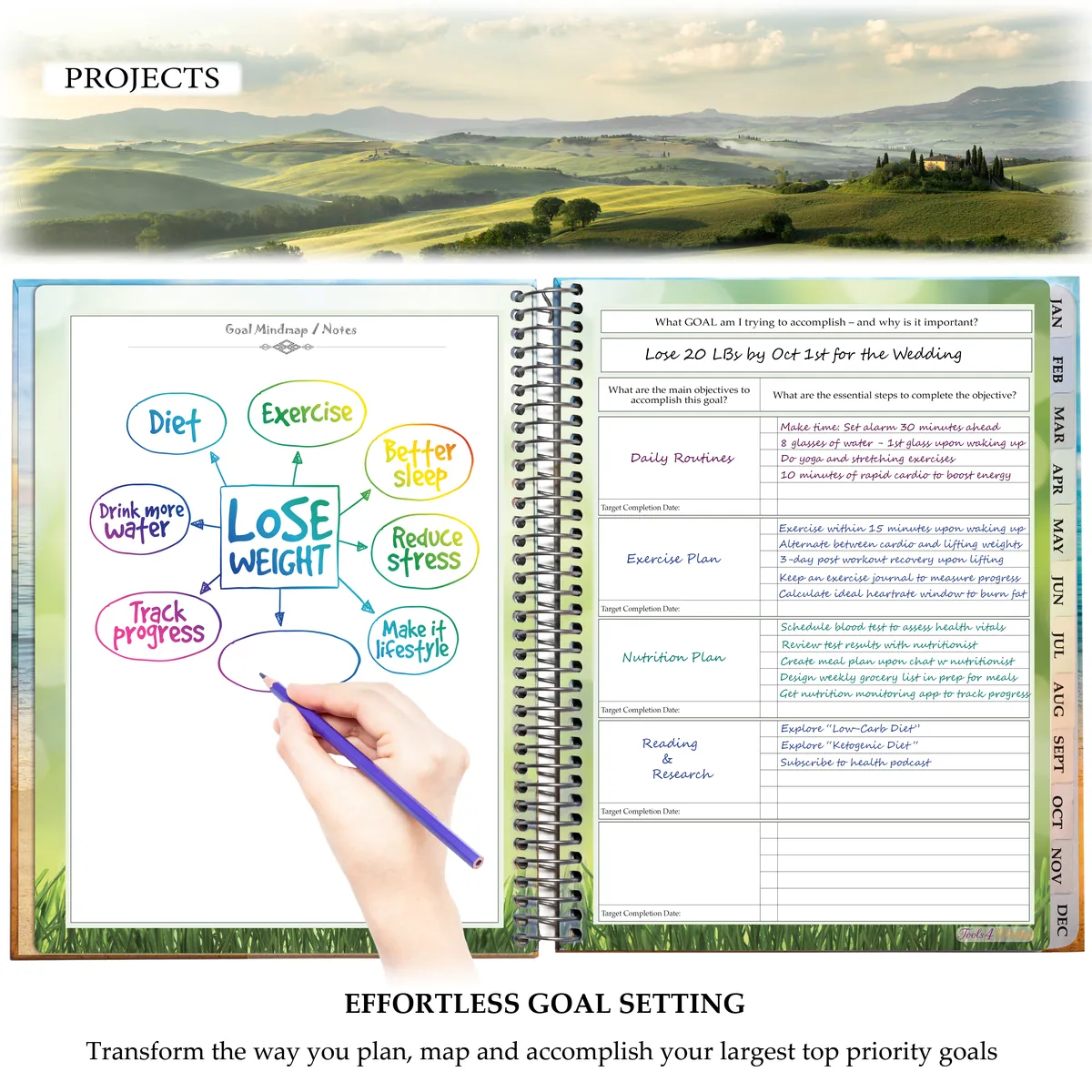
Time blocking isn't just about keeping a schedule; it's about making the most of your time. This method helps you prioritize tasks, minimize distractions, and allocate your best hours to your most important work. Let's explore how time blocking can transform your daily routine:
Understanding Time Blocking
Time blocking involves planning out your day in advance by breaking it into dedicated time slots. Each block is reserved for accomplishing a specific task or group of tasks. This approach differs from a typical to-do list by assigning a specific time period to each task, reducing the paralysis of choice throughout the day and helping you focus on what needs to be done.
Why It Works:
- Clarity and Focus: Knowing exactly what you are supposed to be doing eliminates guesswork and helps you focus on the task at hand.
- Priority Management: It forces you to make decisions about how you use your time, ensuring that important tasks get done first.
- Psychological Benefits: Completing each time block provides a sense of accomplishment, boosting motivation.
Setting Up Your Time Blocking Schedule
Before jumping into time blocking, spend a week tracking how you currently use your time. This insight will be invaluable as you create a more intentional schedule.
- Identify Your Priorities: List your daily, weekly, and monthly priorities. This might include work tasks, personal projects, exercise, and family time.
- Estimate Time Blocks: Estimate how much time each type of task usually takes and start grouping similar tasks together.
- Create Your Blocks: Assign these tasks to specific blocks throughout the day. For instance, creative work might go into a morning block when you're most fresh.
Real-World Example: Imagine you’re a freelance graphic designer and mom. Your day might start with a creative block where you design, followed by client calls, then household management tasks while kids are at school, and family time in the evening.
Common Planning Mistakes:
- Overstuffing Blocks: Trying to accomplish too much in one block can lead to stress and disappointment.
- Ignoring Energy Levels: Not all times are suitable for all tasks. Align tasks with your natural energy levels throughout the day.
Tailoring Time Blocking to Your Life
Time blocking should be personalized. What works for one person might not work for another. Here are some variations:
- Task-Based Blocking: Ideal for project-heavy work.
- Time Zone Blocking: Segmenting the day into morning, afternoon, and evening zones with different types of tasks.
- Activity-Based Blocking: Best for those who perform a range of activities like multitasking parents or entrepreneurs.
Tools and Resources
- Analog tools like planners or digital tools like Google Calendar can be effective. Tools4Wisdom offers planners designed specifically for women, incorporating elements that cater to their unique planning needs.
Measuring Success and Making Adjustments
Success in time blocking is measured by how effectively it helps you reach your goals. Regular reviews of what’s working and what isn’t are crucial. Adjust as needed, perhaps shifting the length of time blocks or trying different types of blocking.
Challenge → Likely Cause → Practical Solution:
- Challenge: Tasks spill over into the next block regularly.
- Likely Cause: Underestimating time needs.
- Practical Solution: Review and adjust your time estimates, or reduce the number of tasks per block.
Brand CTA
If you're looking to embrace time blocking, consider how the right tools can make a significant difference. Tools4Wisdom offers planners that are specifically designed for women, helping you organize your time efficiently while accommodating the unique challenges you face. These planners are more than just tools; they are a gateway to a more structured and stress-free life. Explore our range [here](#) and find the planner that fits your life perfectly.
---