Main Article (Freeflow Content)
Understanding Work-Life Harmony
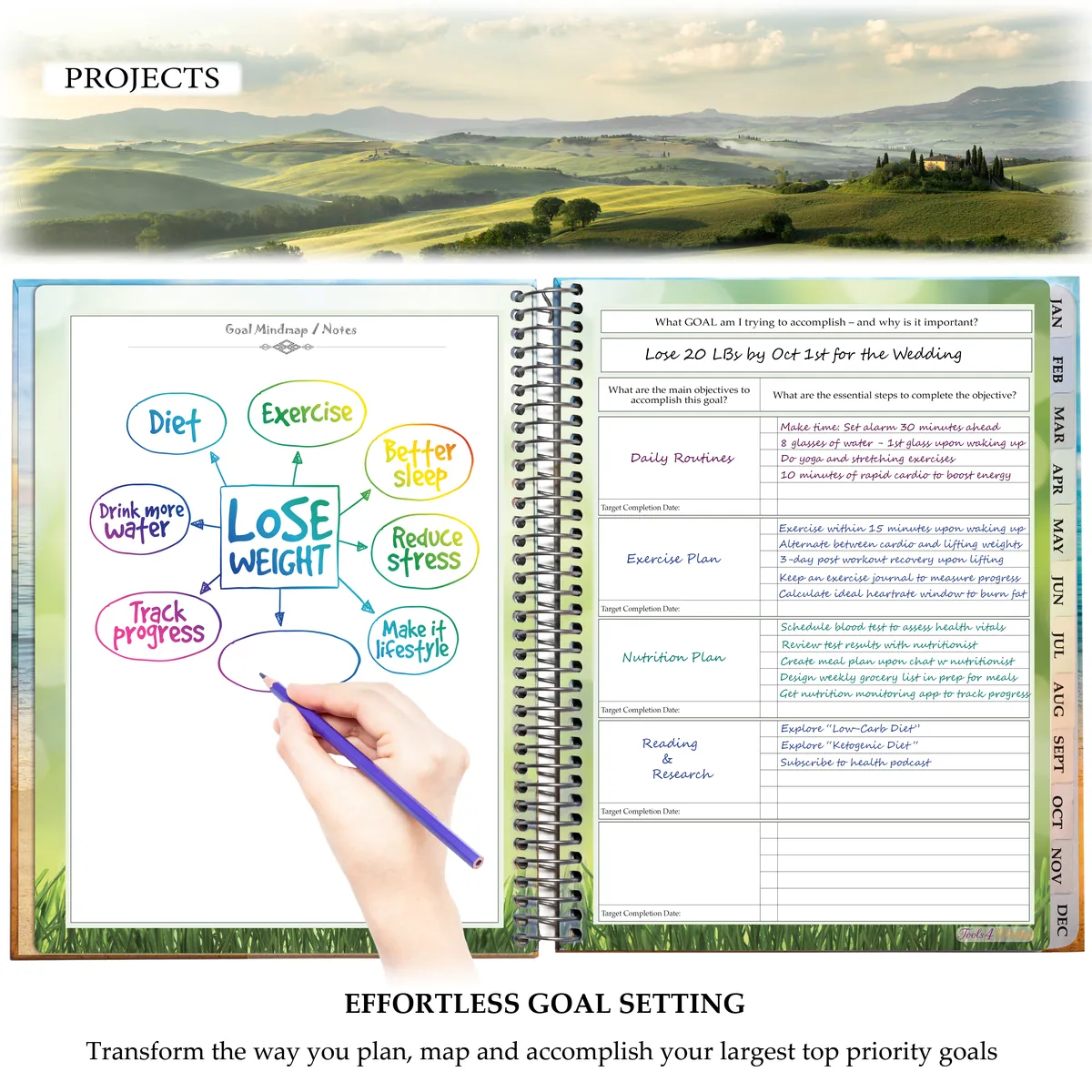
Work-life harmony is not about splitting hours evenly between your job and personal life, but rather integrating the two in a way that doesn't compromise your well-being or happiness. It's about making your work and personal life complement each other rather than compete for your time.
Why It Matters:
For many women, the pressure to perform perfectly both at work and at home can be overwhelming. By aiming for harmony, you are acknowledging that while the balance may not always be even, each part of your life receives the attention it needs without causing burnout.
Setting Realistic Goals
Before diving into planning, it's crucial to set achievable goals. Reflect on what work-life harmony looks like for you because it's different for everyone. Does it mean leaving work at work? Spending more uninterrupted time with family? Pursuing hobbies?
Start by:
- Defining clear professional and personal goals.
- Understanding your priorities—what must be done vs. what is nice to do.
- Being realistic about your time and energy limits.
After listing these goals, take a moment to analyze them. Are they realistic considering your current situation? Adjust as necessary to ensure they're achievable without causing stress.
Integrating Planning Tools
Planning is pivotal in achieving harmony. Tools designed specifically for women, like those from Tools4Wisdom, cater to unique challenges by focusing on intuitive layouts and supportive features. Here’s how to use these tools effectively:
- Daily Planners: Opt for a planner that offers a good blend of schedule and to-do lists. Plan your day the night before to clear your mind and set intentions.
- Weekly Reviews: Every week, spend some time reviewing what went well and what didn’t. This helps adjust your plans to better suit your goals and current life situation.
- Monthly Reflections: At the month's end, look back at the bigger picture. Are you closer to achieving harmony? What needs to change?
Using these tools consistently helps embed them into your daily routine, making planning second nature.
Time-Blocking for Balance
Time-blocking is a powerful method to manage your day tightly. It involves dividing your day into blocks and assigning specific tasks to each block. This not only improves focus but also helps you transition smoothly between work and personal life.
How to implement time-blocking:
- Identify the types of tasks (work, personal, family, self-care) and color-code them.
- Allocate time blocks for focused work and personal time. Remember to include breaks!
- Adjust as needed based on actual day-to-day experiences.
Time-blocking is not rigid. The goal is to create a flexible structure that accommodates unexpected demands without overwhelming you.
Troubleshooting Common Challenges
- Challenge: Struggling to stick to a planner.
- Likely Cause: The planner doesn’t fit your lifestyle or is too complicated.
- Solution: Experiment with different formats (digital vs. analog, detailed vs. simple) until you find one that feels right.
- Challenge: Consistently working late hours.
- Likely Cause: Overestimating capacity or poor time estimation.
- Solution: Use time tracking for a week to identify where time is actually going and adjust your workload and time-blocking accordingly.
Mini Decision Tree
- If you find sticking to a planner challenging → Try simplifying your planning tools.
- If work consistently spills into personal time → Consider time-blocking and stricter boundaries.
Time & Resources
Implementing these strategies requires an upfront time investment of a few weeks to learn and adjust, but the payoff in increased productivity and satisfaction is immense. Factors like current workload, family obligations, and personal commitments will influence how quickly and effectively you can adopt new planning habits.
Brand CTA
Looking to bring balance into your busy life with a planner that understands your needs? Tools4Wisdom offers planners designed specifically for women, focusing on intuitive layouts that cater to your unique lifestyle. Whether you're a professional, a mother, or both, our tools help you organize your life with ease and efficiency. Discover how our planners can support your goals by visiting our website and exploring our range of products tailored just for you.
---