Main Article (Freeflow Content)
Understanding the Basics: What It Means to Prioritize Effectively
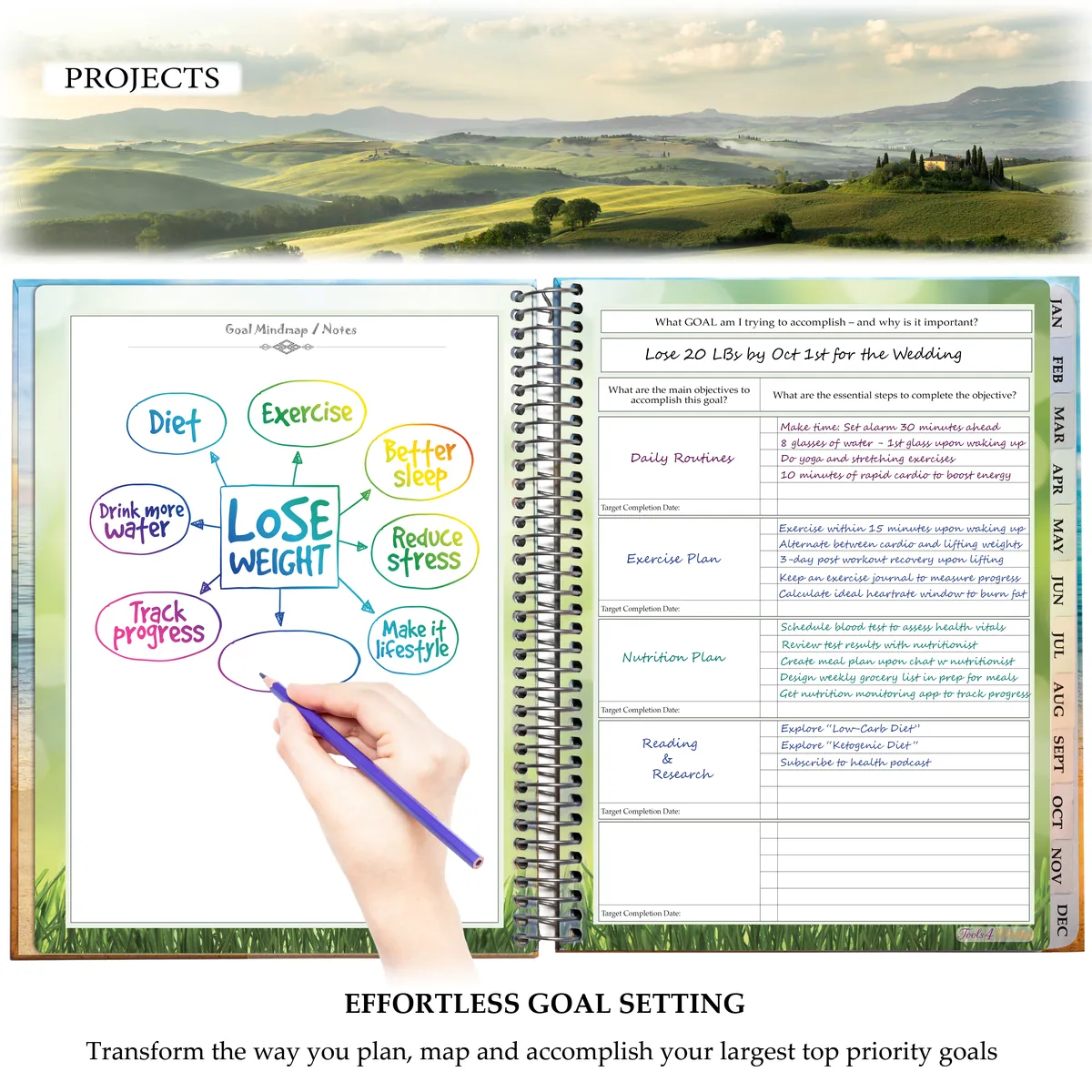
Before diving into specific techniques, it’s crucial to understand what prioritization really entails. Prioritization isn’t just about deciding what tasks to do first; it’s about strategically ordering your work based on what will drive the most significant results and personal satisfaction. This involves distinguishing between tasks that are urgent (require immediate attention) and those that are important (contribute to long-term goals).
The Eisenhower Box
- Urgent and important (tasks you will do immediately).
- Important, but not urgent (tasks you will schedule to do later).
- Urgent, but not important (tasks you will delegate to someone else).
- Neither urgent nor important (tasks you will eliminate).
The real challenge lies in adhering to these distinctions in daily life. For instance, checking emails might feel urgent and important, but often it can be categorized as urgent but not important—something that can be delegated or scheduled at a specific time.
Time-Blocking: A Game-Changer for Task Management
Time-blocking is a method that involves dividing your day into blocks of time where each block is dedicated to accomplishing a specific task or group of tasks. This not only helps in managing time more effectively but also ensures that you are making progress in different areas of your life.
How to Implement Time-Blocking
- Identify the tasks for the day.
- Estimate the time required for each task.
- Group similar tasks together.
- Assign each group to a specific time block.
For example, you might block an hour in the morning for exercise, followed by a two-hour block for deep work where you focus on your most demanding tasks, and so on. The key is consistency and respecting these blocks as if they were appointments.
Leveraging the Right Tools: Digital vs. Analog
Choosing the right tools can make a significant difference in how effectively you can plan and prioritize your tasks. Digital tools like Google Calendar or Trello are fantastic for setting reminders, sharing tasks with others, and accessing your plans across multiple devices. On the other hand, analog tools like the Tools4Wisdom planners are specially designed for women, offering a tangible way to connect with your daily tasks and goals. These planners are structured to encourage thoughtful daily planning and reflection, making them an excellent choice for those who benefit from a physical interaction with their planning tools.
Common Pitfalls and How to Avoid Them
One common mistake in task management is perfectionism. Trying to make your planning system perfect can lead to procrastination. Instead, aim for progress, not perfection. Start simple and gradually refine your system as you discover what works best for your lifestyle and work rhythm.
Quick Start Timeline
- First Day: List all tasks and responsibilities.
- First Week: Implement basic time-blocking with digital or analog tools.
- First Month: Review and adjust your system based on what's been effective and what hasn't.
Measuring Success in Your Planning Efforts
Success in planning isn’t just about ticking off boxes in your to-do list; it’s about feeling in control and reducing stress, knowing that you are focusing on the right things. Regularly reflect on whether your planning system is helping you achieve these feelings. Adjustments might be necessary as your priorities and responsibilities evolve.
Brand CTA
Looking for a planner that understands your needs and grows with your ambitions? Tools4Wisdom offers a line of planners designed with the insight and input from women who, just like you, are striving to harmonize their day-to-day tasks with their long-term goals. These planners not only help organize your schedule but also provide a space for you to reflect, strategize, and plan your future. Discover how Tools4Wisdom can support your journey towards a more organized, productive, and fulfilling life by visiting our [website](https://www.tools4wisdom.com).