The Ultimate Guide to Designing a Personalized Daily Planner That Works
Generic planners fail because they assume everyone manages the same life. A corporate attorney, a freelance photographer, a homeschooling parent, and a graduate student all need fundamentally different planning structures—yet most planners offer identical layouts. Research on productivity systems shows that personalized planning approaches increase goal completion rates by 30-40% compared to one-size-fits-all methods. This guide walks through designing a daily planner customized to your specific roles, responsibilities, and cognitive style. The initial design process takes 60-90 minutes. Implementation and refinement continues over 2-3 weeks. The result is a planning system that genuinely fits your life rather than forcing your life to fit a pre-made system.
Step 1: Assess Your Planning Needs and Style
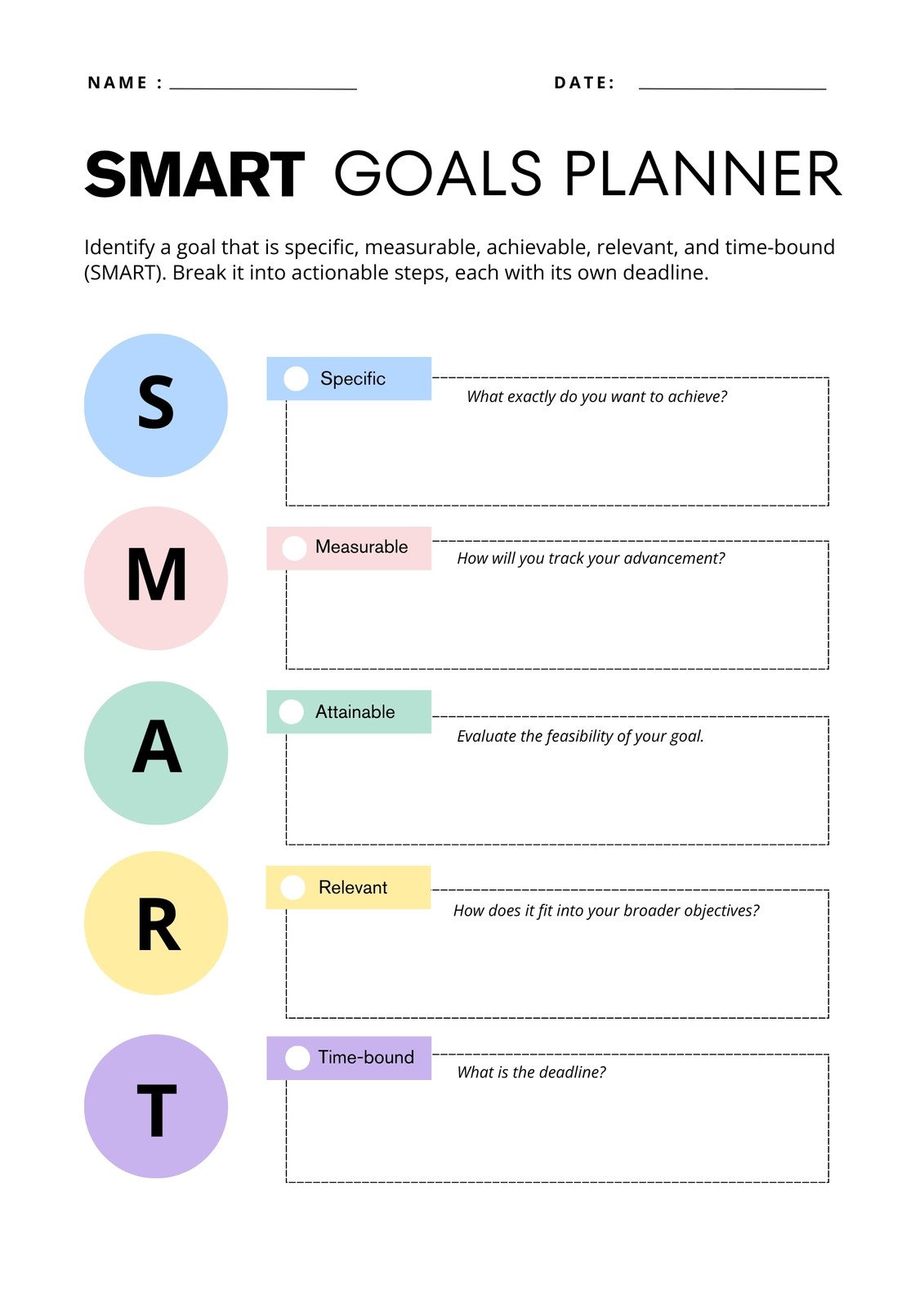
Tools4Wisdom planners include goal breakdown sections, weekly spreads, and daily planning pages—all designed to support personalized planning systems.
Effective planner design starts with honest assessment of how you actually work—not how you wish you worked. Spend 10-15 minutes answering these diagnostic questions before choosing any layout or system:
- What are your primary planning needs? Complex project management requires different layouts than simple daily task tracking. Managing a team needs space for delegation and follow-up. Personal goal pursuit needs reflection sections. Identify your top 2-3 planning purposes before selecting features.
- Visual or textual processor? Visual processors prefer seeing the entire week at a glance with color-coding, symbols, and spatial organization. Textual processors function better with detailed written lists, notes, and sequential task breakdowns. Most people lean 60-70% toward one style.
- Paper or digital preference? Handwriting activates different cognitive processes than typing—research shows handwritten goals have higher retention and completion rates. Digital calendars excel at reminders, sharing, and searching. Many effective planners use both: paper for goals and reflection, digital for appointments and alerts.
- What consistently falls through the cracks? Identify what your current system fails to capture. Missed meals suggest adding meal planning sections. Forgotten follow-ups indicate need for a waiting-for list. Neglected health goals point toward habit tracking. Your planner should solve your specific failure points.
Write your answers down—these responses guide every subsequent design decision. A planner built on accurate self-knowledge outperforms a theoretically "better" system that doesn't match how you actually think and work.
Step 2: Choose Your Core Layout Structure
Planner layout determines daily usability more than any other factor. The wrong layout creates friction that leads to abandonment; the right layout feels effortless to maintain. Three primary layout types serve different planning needs:
- Daily layout (one page or spread per day): Best for people with complex schedules, multiple appointments, extensive task lists, or jobs requiring detailed time tracking. Daily layouts provide maximum writing space—typically 30-50 lines per day in an 8.5x11 inch planner. The tradeoff is reduced ability to see the full week at once. Daily layouts work well for: executives, healthcare workers, consultants billing by hour, anyone with 10+ tasks or appointments daily.
- Weekly layout (full week visible on one spread): Best for people who need to balance multiple life areas, plan ahead for the full week, and prefer seeing patterns across days. Weekly layouts show all 7 days simultaneously, typically with 8-15 lines per day. The tradeoff is less space for detailed daily notes. Weekly layouts work well for: project managers, parents coordinating family schedules, students balancing classes and activities, anyone who plans by week rather than day.
- Hybrid layout (weekly overview plus daily detail pages): Best for people who need both bird's-eye weekly perspective and granular daily planning. Hybrid layouts include a weekly spread for appointments and priorities plus separate daily pages for detailed task management. The tradeoff is more pages to maintain. Hybrid layouts work well for: entrepreneurs, people with highly variable schedules, anyone whose planning needs change day-to-day.
Tools4Wisdom planners use a 5-in-1 hybrid structure: yearly goals, monthly calendars, weekly spreads, and daily planning sections all integrated into one system. The vertical daily layout divides each day into morning, afternoon, and evening blocks—supporting time-blocking methodology while maintaining weekly context through 2-page spreads.
Step 3: Design Your Custom Sections
Beyond core scheduling, personalized planners include sections addressing specific life management needs. Effective customization adds only sections you'll actually use—every unused section creates visual clutter and guilt. Start with 2-3 custom sections maximum, then add more only when clear needs emerge.
Common custom sections and who benefits from each:
- Goal tracking pages: Essential for anyone pursuing specific outcomes beyond daily task completion. Includes space for yearly goals, quarterly milestones, and monthly objectives. Review weekly to maintain connection between daily tasks and larger aspirations. Tools4Wisdom planners include dedicated goal breakdown sections at the front of each planner.
- Habit tracker grids: Useful for building new routines or maintaining existing ones. A simple grid with habits listed vertically and days horizontally provides visual accountability. Effective for: exercise consistency, medication adherence, daily practices like reading or meditation. Keep trackers to 5-7 habits maximum—more becomes overwhelming.
- Meal planning section: Valuable for anyone who struggles with daily "what's for dinner" decisions, wants to eat healthier, or needs to coordinate family meals. A weekly meal grid reduces decision fatigue and enables efficient grocery shopping. Takes 15-20 minutes weekly but saves 30+ minutes of daily deliberation.
- Financial tracking: Helpful for budget-conscious planners or anyone working toward financial goals. Can be simple (daily spending log) or detailed (categorized expense tracking). Even basic awareness of spending patterns changes behavior—studies show expense tracking alone reduces unnecessary spending by 10-15%.
- Gratitude or reflection journal: Beneficial for mental wellbeing and maintaining perspective during busy periods. A simple 3-line daily gratitude practice takes 2 minutes but research links consistent gratitude journaling to improved mood, sleep quality, and stress resilience.
- Project pages: Necessary for anyone managing multi-week initiatives with multiple steps, deadlines, and dependencies. Dedicated project pages prevent complex tasks from cluttering daily planning space. Include: project goal, deadline, key milestones, next actions, and waiting-for items.
Disc planners offer maximum customization flexibility—pages can be added, removed, and rearranged as needs evolve throughout the year. Start with a minimal setup and add sections only when you identify specific gaps in your current system.
Step 4: Implement Time-Blocking in Your Layout
Time-blocking—assigning specific tasks to specific hours—transforms planners from passive record-keepers into active productivity tools. A study published in the Journal of Consumer Research found that scheduling specific times for tasks increased follow-through by 300% compared to open-ended to-do lists. Time-blocking works because it eliminates the repeated decision of "what should I do now?" and protects important work from interruption by urgent-but-less-important demands.
Implementing time-blocking requires four components:
- Define 4-6 task categories: Most people operate in distinct modes—deep work, administrative tasks, meetings, personal responsibilities, health/fitness, and relationships. List your categories and estimate weekly hours needed for each. This audit often reveals misalignment between stated priorities and actual time allocation.
- Map categories to optimal times: Match task types to energy levels. Deep work requiring concentration belongs in peak energy hours—typically morning for most people. Administrative tasks fit well in post-lunch energy dips. Creative work often benefits from slightly tired states when the inner critic relaxes. Exercise may need protected time before work or it gets sacrificed to "busy" days.
- Block time visually in your planner: Draw actual blocks around time segments in the vertical daily layout. A 90-minute block labeled "Project Work" creates stronger commitment than a to-do item saying "work on project." Use consistent colors for categories—seeing a week dominated by one color reveals imbalance immediately.
- Build in buffer time: Schedule 6 productive hours in an 8-hour workday, not 8. Tasks take longer than estimated, interruptions occur, energy fluctuates. Buffer time absorbs variance without cascading schedule failures. A realistic schedule maintained consistently outperforms an ambitious schedule abandoned by Wednesday.
Time-blocking requires flexibility, not rigidity. Review blocks weekly and adjust based on what actually happened versus what was planned. Chronic interruptions of specific blocks indicate either unrealistic scheduling or boundary problems requiring conversation rather than better planning.
Step 5: Establish Weekly Reflection and Adjustment Rituals
A personalized planner is a living system that evolves with changing circumstances. Without regular reflection, even well-designed systems drift toward dysfunction. Schedule a 20-30 minute weekly review—Sunday evening or Monday morning works for most people—to assess and adjust your system.
Weekly reflection examines four questions:
- What tasks consistently remained unfinished? Recurring incomplete tasks signal one of three problems: the task is actually multiple tasks needing breakdown, the task isn't truly important and should be deleted, or insufficient time is being allocated. Identify which problem applies and adjust accordingly.
- Which time blocks consistently failed? Blocks that repeatedly get interrupted or skipped need relocation, protection, or elimination. A "deep work" block that gets cancelled every week isn't a block—it's a wish. Move it to a more defensible time or accept that deep work requires different conditions.
- What unexpected demands consumed time? Track interruptions and unplanned tasks for patterns. Frequent interruptions from the same source indicate a boundary conversation needed. Recurring "emergencies" of the same type suggest a system gap that creates them. True randomness is rare—most unplanned demands follow predictable patterns.
- Does the planner layout still fit current needs? Life circumstances change—a job transition, new family responsibility, health challenge, or completed project may require layout modification. Quarterly reassessment prevents clinging to systems that no longer match reality. Disc planners allow adding or removing sections as needs shift.
Document reflection insights in your planner. Patterns become visible only when tracked over time. A month of weekly reflections reveals truths about your productivity that no single week can show.
Common Planner Design Mistakes (And How to Avoid Them)
Even thoughtfully designed planners fail when these common errors undermine the system:
- Overstuffing days with unrealistic task loads: The average knowledge worker completes 3-5 significant tasks per day—not 15. Listing 20 tasks guarantees failure and erodes trust in the planning system. Limit daily task lists to what's genuinely achievable given available time and energy. Move excess tasks to a separate "someday" list rather than cluttering daily pages.
- Ignoring energy rhythms when scheduling: Scheduling demanding cognitive work during post-lunch energy dips wastes peak capacity on easy tasks. Track energy levels for one week to identify personal patterns. Most people have 2-4 hours of peak cognitive capacity daily—protect those hours for the most important work, not email and meetings.
- Creating overly complex systems: Elaborate color-coding schemes, extensive symbol libraries, and multiple tracking systems collapse under their own weight. If maintaining the system takes longer than the system saves, simplification is needed. Start minimal and add complexity only when clear benefits emerge.
- Abandoning the system after imperfect weeks: No planning system survives contact with reality perfectly. Missed days, incomplete tasks, and derailed schedules are normal—not failures. The goal is gradual improvement, not perfection. A system used imperfectly beats an "ideal" system abandoned entirely.
Frequently Asked Questions About Personalized Planner Design
- How long does it take to design and implement a personalized planner system? Initial design takes 60-90 minutes: needs assessment (15 minutes), layout selection (15 minutes), custom section design (20 minutes), and first-week setup (20-30 minutes). Implementation and refinement continues over 2-3 weeks as you discover what works and what needs adjustment. Full system integration—where planning feels automatic rather than effortful—typically requires 6-8 weeks of consistent use.
- Should I start with a completely blank planner or a pre-structured one? Pre-structured planners with thoughtful default layouts work better for most people. Completely blank planners require designing every element from scratch, which overwhelms new planners. Start with a structured planner that matches your general needs, then customize by adding personal sections. Disc planners offer the best of both: professional pre-designed pages plus ability to add, remove, and rearrange.
- How do I know if my current planner isn't working? Signs of planner-life mismatch include: consistently ignoring the planner for days, feeling stressed when looking at it, frequently missing tasks that were written down, having significant life areas with no planner presence, and maintaining parallel systems (sticky notes, phone reminders, mental lists) because the planner isn't sufficient. If two or more apply, redesign is needed.
- What's the minimum effective planner system? A functional minimum includes: weekly task review (20 minutes), daily task identification (5 minutes morning), and end-of-day completion check (2 minutes). This 30-minute weekly investment prevents the chaos of purely reactive living. Add complexity only when this foundation is solid and specific needs emerge.
- Can I switch planner systems mid-year? Mid-year transitions work fine—don't wait for January if your current system isn't working. Transfer active projects, upcoming deadlines, and ongoing commitments to the new system. Undated disc planners and printables support any-time transitions without wasting dated pages. The Spring Edition (April-June) provides a natural mid-year starting point with pre-dated pages.
Why Tools4Wisdom Planners Support Personalized Planning
Tools4Wisdom planners were built for customization from the beginning. When founder Laszlo—a former Fortune 500 project manager—couldn't find a planner that matched his goal-oriented planning style, he designed his own in 2012. The company has refined the layout through 10+ product generations based on direct customer feedback, always prioritizing flexibility alongside structure.
The planner system was developed in collaboration with mental health experts who understood that rigid productivity systems create anxiety rather than accomplishment. The result is a layout that provides helpful structure while accommodating personal customization, changing circumstances, and the reality that no two weeks look exactly alike.
Features supporting personalized planner design:
- 5-in-1 integrated structure: Day planner, weekly planner, monthly calendar, yearly goals, and appointment book all in one system. Use all five levels or focus on whichever combination fits your planning style.
- Vertical daily layout with time blocks: Morning, afternoon, and evening sections support time-blocking without forcing hourly rigidity. Large 2-page weekly spreads in the 8.5x11 inch format provide ample space for detailed planning.
- Goal breakdown sections: Dedicated pages guide yearly vision into quarterly milestones, monthly objectives, and weekly priorities—essential infrastructure for goal-oriented personalization.
- 255 pages of 100gsm premium paper: Thick paper prevents bleed-through from markers and highlighters, supporting color-coding customization. Full-color seasonal themes add visual interest without requiring artistic ability.
- 277 stickers and 15 monthly tabs: Pre-designed stickers enable visual customization. Reinforced tabs support quick navigation between sections during weekly reviews.
- Disc planner option for maximum flexibility: The discbound format allows adding custom pages, removing unused sections, and rearranging the planner structure as needs evolve. Compatible with standard 11-disc hole punches for unlimited customization possibilities.
Choose Your Personalization Starting Point
- 15 Month 2026 Edition: Dated October 2025 through December 2026. Spiral-bound hardcover, 8.5x11 inches. Best for planners who want professional pre-structured pages with room for personal customization through color-coding, stickers, and supplementary notes.
- 15 Month 2027 Edition: Dated October 2026 through December 2027. Pre-order now to continue your personalized system into the next year without interruption.
- 2026-2027 Spring Edition: Dated April 2026 through June 2027. Ideal for mid-year system redesigns or anyone whose planning year follows academic rather than calendar timing.
- Disc Planner: Undated, discbound format. Maximum customization flexibility—add habit trackers, project pages, specialized sections, or any custom pages you design. Remove pages you don't use. Rearrange sections as priorities shift. Start anytime without wasting dated pages.
- Printables: Digital downloads for print-at-home planning pages. Test different layouts before committing, supplement your physical planner with specialized tracking pages, or build a fully custom system from individual components.
Build Your Personalized Planning System
A planner that truly works is one designed around your actual life—your roles, your goals, your cognitive style, and your failure points. Generic solutions produce generic results. The five-step process in this guide—assess needs, choose layout, design custom sections, implement time-blocking, and establish reflection rituals—creates a planning system as unique as the life it manages. Explore Tools4Wisdom planners on Amazon to find the format that best supports your personalized planning journey.