Goals for 2026: A Month-by-Month Planning Guide (+ Free Printable Tracker)
Annual goals fail 92% of the time according to research from the University of Scranton—not because people lack motivation, but because they lack a system for consistent progress. A month-by-month planning approach breaks overwhelming yearly ambitions into focused 30-day sprints, each building on the last. This guide provides a complete 12-month framework with specific focus areas, actionable tasks, and reflection prompts for each month. The initial setup takes 45-60 minutes. Monthly check-ins require 30 minutes. Weekly maintenance adds 10-15 minutes. Download the free printable tracker at the end to follow along with your own 2026 journey.
Why Month-by-Month Planning Works Better Than Annual Resolutions
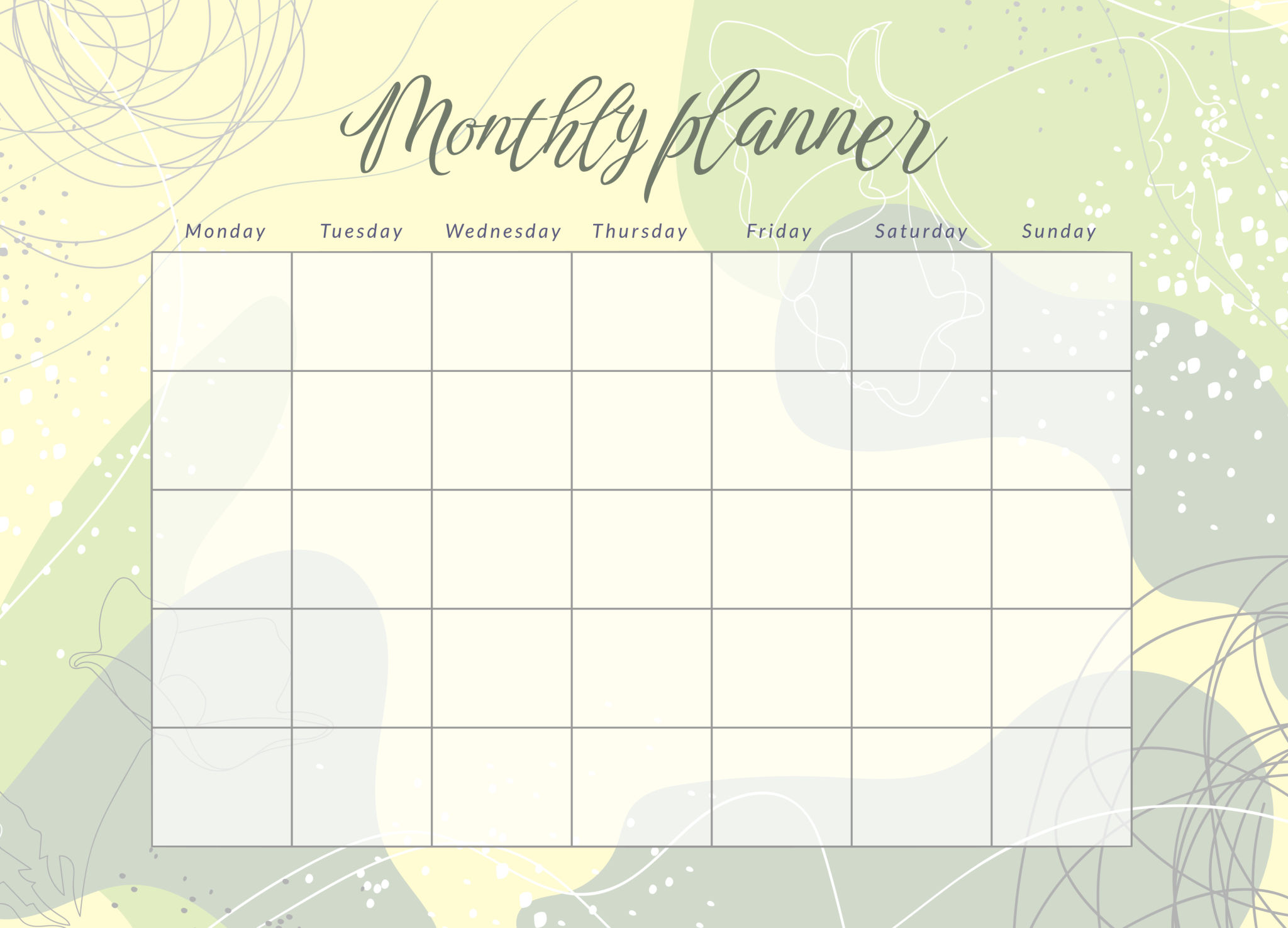
Tools4Wisdom planners include monthly goal-setting pages at the start of each month, plus weekly priority sections that connect daily tasks to monthly objectives.
Annual resolutions fail because 365 days feels infinite in January and impossibly short by November. Monthly planning creates urgency without overwhelm—30 days is long enough to make meaningful progress but short enough to maintain focus. Research on goal achievement shows that breaking large goals into smaller milestones increases completion rates by 25-30%. Monthly themes also accommodate life's unpredictability; a difficult February doesn't derail your entire year when March offers a fresh start.
The month-by-month framework below assigns each month a primary focus area while maintaining flexibility for personal priorities. Adapt the themes to match your own goals—the structure matters more than the specific topics.
Q1: Foundation Building (January - March)
The first quarter establishes systems that support the entire year. January sets direction, February builds time management habits, and March creates financial clarity. Rushing past Q1 fundamentals leads to mid-year burnout and abandoned goals.
- January: Vision & Goal Setting
- January's purpose is defining what success looks like for 2026—not diving into action yet. Spend the first week reflecting on 2025: identify 3 wins to build on, 3 lessons learned, and 3 things to stop doing. Week two focuses on setting 3-5 major goals for 2026, each with a specific measurable outcome ("save $10,000" not "save more money"). Week three breaks each goal into quarterly milestones. Week four creates your tracking system—whether in a planner, spreadsheet, or the printable tracker below. January's deliverable: a written goal document you'll reference monthly throughout the year.
- February: Time Management Systems
- February implements the daily and weekly habits that make goal achievement possible. Week one audits current time usage—track every hour for 7 days to see where time actually goes versus where you think it goes. Week two introduces time-blocking: assign specific hours to specific task categories. Week three establishes a weekly planning ritual (Sunday evening or Monday morning, 20-30 minutes). Week four refines the system based on what worked and what created friction. February's deliverable: a sustainable weekly planning routine you can maintain year-round.
- March: Financial Foundation
- March creates financial clarity that reduces stress and enables goal-related investments. Week one tracks all spending—every purchase, every subscription, every automatic payment. Week two categorizes expenses and calculates actual monthly costs versus perceived costs. Week three sets specific financial targets: emergency fund amount, debt payoff timeline, savings goals. Week four automates what's possible—automatic transfers to savings, automatic bill payments, automatic investment contributions. March's deliverable: a monthly budget that accounts for both necessities and goal-related spending.
Q2: Skill Building & Spring Reset (April - June)
Q2 leverages Q1's foundation to build capabilities and conduct a crucial mid-year assessment. April optimizes systems, May develops new skills, and June evaluates first-half progress to adjust second-half strategy.
- April: Systems Optimization
- April reviews and refines the productivity systems established in Q1. Week one declutters digital spaces—delete unused apps, unsubscribe from irrelevant emails, organize cloud storage. Week two evaluates physical spaces—desk setup, planner organization, frequently-used supplies. Week three experiments with one new productivity tool or technique. Week four decides what to keep, modify, or abandon based on 90 days of data. April's deliverable: a streamlined set of tools and systems that genuinely support your workflow.
- May: Skill Development
- May focuses on learning something that advances a major goal. Week one identifies the specific skill gap blocking progress—maybe public speaking for career advancement, coding for a side project, or nutrition knowledge for health goals. Week two researches learning resources: courses, books, mentors, practice opportunities. Weeks three and four dedicate 30-60 minutes daily to deliberate practice. May's deliverable: measurable improvement in one skill that directly supports a 2026 goal.
- June: Mid-Year Review
- June pauses forward motion to assess first-half results honestly. Week one reviews each major goal: calculate percentage complete, identify what accelerated progress, note what created obstacles. Week two evaluates whether original goals still matter—priorities shift, and clinging to outdated goals wastes energy. Week three adjusts Q3-Q4 milestones based on actual progress and current circumstances. Week four celebrates wins (even small ones) and recommits to revised goals. June's deliverable: an updated goal document reflecting mid-year realities and second-half strategy.
Q3: Momentum & Preparation (July - September)
Q3 maintains momentum through summer distractions and prepares for the year's final push. July strengthens relationships that support goals, August tackles a stretch project, and September creates systems for the busy fall season.
- July: Relationships & Networking
- July invests in people who support goal achievement. Week one lists 10 people who could help advance your goals—mentors, collaborators, accountability partners, industry contacts. Week two reaches out to 3-5 people with specific, low-commitment requests (coffee chat, quick call, email exchange). Week three deepens one existing relationship through quality time or meaningful support. Week four evaluates relationship patterns—are you investing in people who energize and challenge you, or draining connections that hold you back? July's deliverable: at least one strengthened relationship that provides accountability, knowledge, or opportunity.
- August: Stretch Project
- August tackles something challenging that accelerates a major goal. Week one defines a 30-day project with a clear deliverable—write a business plan, complete a certification, launch a website, finish a creative project. Weeks two and three execute with protected daily work time (60-90 minutes minimum). Week four completes the project and documents lessons learned. August's deliverable: one completed project that creates tangible progress toward a 2026 goal.
- September: Fall Preparation
- September builds systems to maintain progress through the busy fall season. Week one anticipates Q4 demands—holidays, end-of-year deadlines, family obligations, seasonal schedule changes. Week two simplifies routines to create buffer capacity. Week three batches recurring tasks (meal prep, errands, administrative work) to protect focused time. Week four stress-tests the system by simulating a demanding week. September's deliverable: a streamlined fall routine that maintains goal progress despite increased demands.
Q4: Completion & Transition (October - December)
Q4 completes 2026 goals while preparing for 2027. October focuses on health and sustainability, November practices gratitude and giving, and December conducts final review and sets next-year intentions. Starting your 2027 planner in October (using a 15-month edition) creates seamless transition between years.
- October: Health & Sustainability
- October ensures goal pursuit hasn't sacrificed wellbeing. Week one assesses physical health markers—sleep quality, energy levels, exercise consistency, nutrition patterns. Week two identifies one health habit that would most improve daily performance and implements it. Week three evaluates mental health—stress levels, work-life boundaries, recovery practices. Week four creates a "minimum viable routine" for maintaining health during the busy holiday season ahead. October's deliverable: one sustainable health improvement and a plan for maintaining wellbeing through year-end.
- November: Gratitude & Contribution
- November shifts focus from achievement to appreciation and giving. Week one lists 2026 wins, large and small—accomplishments, growth moments, unexpected blessings, people who helped along the way. Week two expresses gratitude directly to 3-5 people who contributed to your year. Week three identifies a way to give back—volunteering time, donating money, sharing knowledge, mentoring someone earlier in their journey. Week four reflects on how contribution connects to personal fulfillment and future goals. November's deliverable: documented gratitude and at least one meaningful contribution to others.
- December: Year-End Review & 2027 Planning
- December closes 2026 and opens 2027 with intention. Week one completes final pushes on achievable goals—don't carry half-finished projects into the new year if a focused effort can complete them. Week two conducts comprehensive year-end review: goals achieved, goals missed and why, biggest lessons, proudest moments. Week three sets preliminary 2027 goals based on everything learned in 2026. Week four rests and recharges before the new year begins. December's deliverable: a completed 2026 review document and initial 2027 goal framework.
How to Use the Free Printable Goal Tracker
The printable tracker accompanying this guide provides a single-page view of your entire year. The tracker includes spaces for 5 major goals, 12 monthly focus areas, and weekly checkbox grids for consistent habit tracking. Print the tracker and keep it visible—inside your planner, on your desk, or posted near your workspace. Review the tracker during weekly planning sessions to maintain connection between daily tasks and yearly aspirations.
Using the tracker effectively requires three habits:
- Fill in goals and monthly themes during January setup: Complete the top section with your 3-5 major goals and customize the monthly focus areas if the suggested themes don't match your priorities. Writing goals on the tracker creates commitment—a blank tracker is just paper.
- Check progress weekly during planning sessions: Each Sunday or Monday, mark the week's checkbox if you made meaningful progress toward at least one major goal. A row of checked boxes builds momentum; a row of empty boxes signals needed adjustment.
- Review monthly and adjust as needed: At each month's end, assess whether the current month's focus was effective and whether next month's planned focus still makes sense. The tracker is a tool, not a contract—modify it as your year unfolds.
Frequently Asked Questions About Month-by-Month Planning
- What if I'm starting mid-year instead of January? Month-by-month planning works regardless of start date. Begin with a "Month 1" focused on reflection and goal-setting, then proceed through the framework. A 15-month planner starting in October or a Spring Edition starting in April provides natural mid-year entry points. Undated disc planners and printables work for any start date without wasting pages.
- How do I handle months where life derails the plan? Every year includes disrupted months—illness, family emergencies, work crises, unexpected opportunities. When a month gets derailed, don't try to "catch up" by cramming two months into one. Simply resume with the next month's focus and trust that 10 productive months still creates significant progress. Flexibility prevents the all-or-nothing thinking that causes complete abandonment.
- Should I follow these exact monthly themes or customize? Customize based on your actual goals. The suggested themes provide a balanced framework covering personal development, finances, relationships, health, and productivity. If your 2026 priorities differ—launching a business, training for a marathon, writing a book—replace generic months with goal-specific focuses. The month-by-month structure matters more than the specific themes.
- How much time does this system require weekly? Weekly maintenance takes 15-20 minutes: review the past week (5 minutes), check the goal tracker (2 minutes), set next week's priorities (5-10 minutes). Monthly reviews add 30-45 minutes. The quarterly transitions (March, June, September, December) require 60-90 minutes for deeper assessment. Total annual time investment: approximately 25-30 hours—less than 1% of your waking hours to direct the other 99%.
- Can I use this system with a digital calendar instead of a paper planner? Digital calendars work for scheduling but often fail at goal-tracking and reflection. The physical act of handwriting engages different cognitive processes than typing, improving both commitment and retention. Consider using digital tools for appointments and reminders while maintaining a paper planner or printed tracker for goals, priorities, and reflection. The printable tracker bridges both approaches.
Why Tools4Wisdom Planners Support Month-by-Month Planning
Tools4Wisdom planners were designed around the goal-breakdown methodology that makes month-by-month planning effective. Since founding the company in 2012, Laszlo—a former Fortune 500 project manager—built the planner layout to connect yearly vision with monthly goals, weekly priorities, and daily actions. The system was developed in collaboration with mental health experts who understood that sustainable achievement requires both structure and self-compassion.
Every Tools4Wisdom planner includes features that support this framework:
- Monthly goal pages at each month's start: Dedicated space to set 2-4 monthly objectives aligned with quarterly milestones—exactly what this guide recommends for each month's focus area.
- Weekly priority sections: Space to identify each week's most important tasks, ensuring daily activities connect to monthly themes rather than drifting into reactive busywork.
- 255 pages of 100gsm premium paper: Thick paper that prevents bleed-through from markers and highlighters, supporting color-coded tracking systems. Full-color seasonal themes add visual interest to monthly transitions.
- 15-month format for seamless year transitions: October through December overlap between years, allowing December planning for the new year without a separate planner. The 2026 Edition covers October 2025 through December 2026; the 2027 Edition continues October 2026 through December 2027.
- 277 stickers and 15 monthly tabs: Mark monthly themes, celebrate completed goals, and navigate quickly between months during review sessions.
Choose Your 2026 Planning Format
- 15 Month 2026 Edition: Dated October 2025 through December 2026. Spiral-bound hardcover, 8.5x11 inches. Best for planners who want pre-printed dates and appreciate the 15-month runway.
- 15 Month 2027 Edition: Dated October 2026 through December 2027. Pre-order now to continue seamlessly from your 2026 planner.
- 2026-2027 Spring Edition: Dated April 2026 through June 2027. Perfect for mid-year fresh starts, academic schedules, or anyone who missed the January window.
- Disc Planner: Undated, discbound format. Start any month without wasting pages. Add, remove, and reorganize pages as monthly focuses shift. Compatible with standard 11-disc hole punches.
- Printables: Digital downloads including the goal tracker referenced in this guide. Print pages at home to supplement any planning system, or test the Tools4Wisdom layout before purchasing a physical planner.
Download Your Free 2026 Goal Tracker
The printable goal tracker provides a single-page annual overview with spaces for major goals, monthly themes, and weekly progress checkboxes. Download the tracker, print it on standard letter-size paper, and keep it visible throughout your year. Download the free 2026 Goal Tracker from Tools4Wisdom Printables, and explore the full collection of printable planning pages to customize your productivity system. For a complete planning solution, browse Tools4Wisdom planners on Amazon and find the format that fits your planning style.