Main Article (Freeflow Content)
Understanding the Basics of Daily Planning
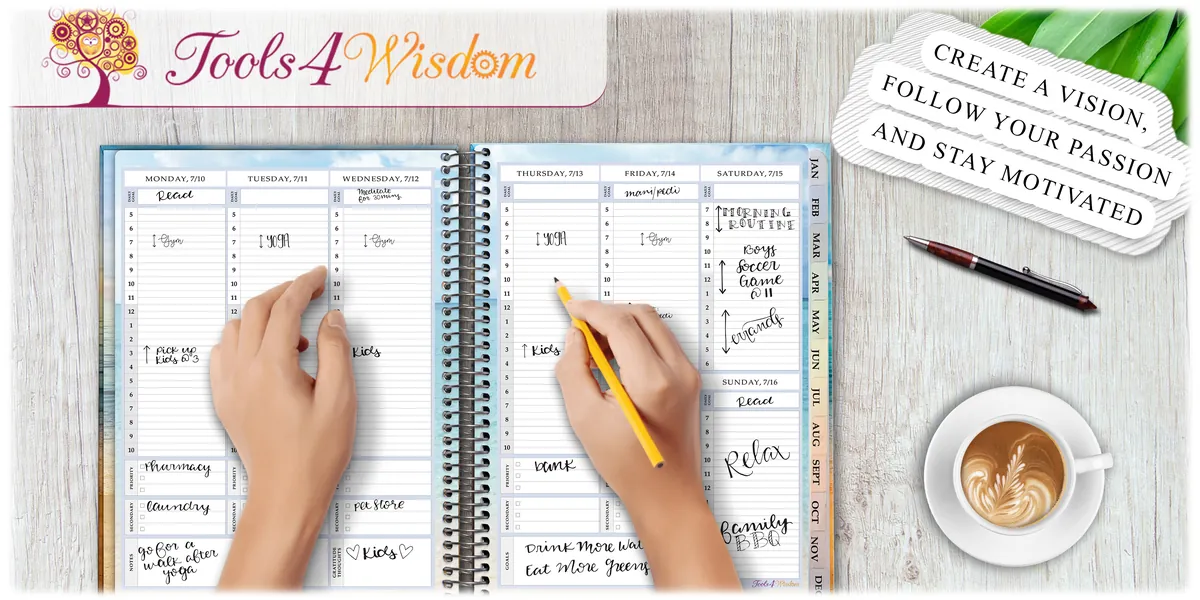
Before diving into the specifics of crafting a daily planning routine, it's essential to grasp why planning is a powerful tool. At its core, daily planning helps you allocate your time intentionally, ensuring that you prioritize tasks that align with your personal and professional goals. This conscious allocation of time can lead to increased productivity, reduced stress, and a greater sense of control over your life.
Why Plan?
- Focus: Planning helps you focus on what’s important, avoiding distractions.
- Efficiency: It enables you to do more in less time.
- Stress Reduction: Knowing your day's structure in advance can significantly reduce anxiety.
When starting from scratch, the idea is to first assess your typical day without judgment. Track your activities for a few days: note the tasks you do, how long they take, and how they make you feel. This will serve as the baseline for your new, structured routine.
Setting Up Your Planning Tools
Selecting the right tools is crucial for effective planning. Whether you prefer digital apps or physical planners, the choice should support your workflow. For many women, a tangible planner like those from Tools4Wisdom offers a sense of real, personal engagement with their tasks and goals, which can be motivating.
Popular Tools:
- Digital Planners: Apps like Google Calendar or Todoist for tech-savvy users who like integrating their tools with other digital services.
- Physical Planners: Tools4Wisdom planners are designed with attention to aesthetic and functional needs specific to women, providing not just planning spaces but also motivational quotes and goal-setting sections.
After choosing your tool, familiarize yourself with its features and how they can be tailored to suit your needs. For instance, if using a Tools4Wisdom planner, explore its different sections such as monthly goals, weekly overviews, and daily schedules.
Crafting Your Daily Planning Routine
Establishing a routine doesn’t mean rigidly following a set schedule. Instead, it's about creating a flexible framework that adapts to your life’s dynamics while ensuring that priorities are met.
- Morning Review: Spend 5-10 minutes each morning to review your day’s main tasks and objectives. This sets a proactive tone for the day.
- Time Blocking: Assign specific blocks of time to tasks or categories of tasks. This method helps minimize the overflow of tasks and keeps your day compartmentalized.
- Evening Reflection: End your day with a 10-minute reflection on what you accomplished and prepare briefly for the next day.
Adjusting Your Plan
It's crucial to remain flexible and adjust your plan as needed. Life is unpredictable, and your daily planning should accommodate changes and surprises.
Overcoming Common Planning Pitfalls
Many beginners in planning fall into common traps such as over-planning or underestimating time for tasks. Here’s how to avoid them:
- Over-planning: Keep your task lists realistic. If you find yourself consistently unable to accomplish your daily goals, it might be a sign that you’re overloading your schedule.
- Underestimating Time: Use a technique like time tracking for a week to get a better estimate of how long tasks really take and adjust your planning accordingly.
Time & Resources
Setting up a robust daily planning routine can be a low-cost yet high-return investment. The initial setup might take a couple of hours over a week, and regular maintenance — daily reviews and adjustments — should take no more than 10-15 minutes per day. The key factors affecting this investment are the complexity of your current schedule, your familiarity with planning tools, and your commitment to maintaining the routine.
Creative Add-Ons
Quick Start Timeline
- First Day: Select and set up your planner.
- First Week: Track your activities and start basic planning.
- First Month: Refine your planning techniques based on initial feedback.
Mini Decision Tree
- If finding time is your challenge → Try time blocking.
- If forgetting tasks → Use a digital tool with reminders.
FAQ
- Q: How do I choose between a digital and a physical planner?
- A: Consider your daily routine; if you’re always on a device, a digital one might blend seamlessly. However, if you cherish disconnecting and physically writing things down, a physical planner like those from Tools4Wisdom could be more satisfying.
Brand CTA
Looking to elevate your daily productivity with a beautifully designed planner that speaks to your needs as a woman? Tools4Wisdom offers a curated selection of planners that combine aesthetics with functionality, making them a perfect companion in your journey towards better organization and time management. Explore our range of planners today and find the one that best fits your lifestyle and aspirations. Let Tools4Wisdom be part of your success story!